
Table of Contents
- How much does a padel court cost?
- Which materials and processes are used to build a padel court?
- What are the maintenance costs of a padel court?
How much does a padel court cost?
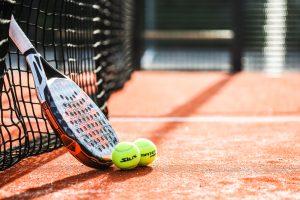
Padel, a rapidly growing racquet sport, has gained popularity worldwide, and the demand for padel courts has increased accordingly. If you’re considering building a padel court, one of the first questions that comes to mind is, “How much does a padel court cost?” While the cost can vary depending on various factors, let’s explore the typical expenses involved.
The cost of constructing a padel court depends on several factors, including location, site preparation requirements, court specifications, and materials used. In the UK, the estimated cost for building a single padel court ranges between £45,000 and £75,000. This figure covers the construction of the court surface, fencing, lighting, and basic amenities like seating and access pathways. However, it’s essential to note that these numbers are approximate and can vary significantly based on individual circumstances.
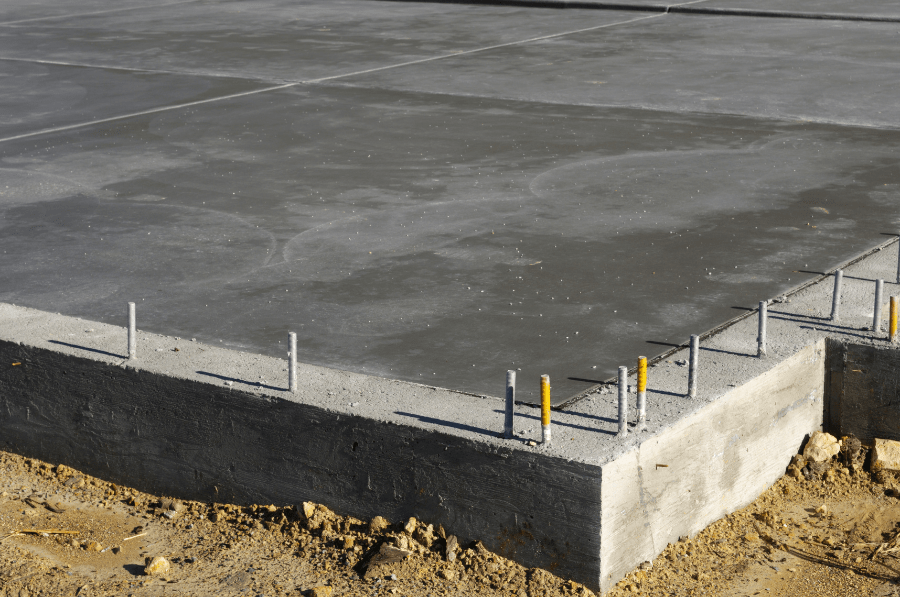
Tip: as the foundation and groundwork for a padel court takes up almost half of the budget, reusing an existing foundation, such as that of a tennis court, can significantly reduce the overall cost of the padel court.
Which materials and processes are used to build a padel court?
When it comes to constructing a padel court, several materials and processes are involved to create a durable and high-quality playing surface. Let’s take a closer look at the key components used in building a padel court.
1. Court Surface:
The most common type of surface used for padel courts is artificial grass or artificial turf. This synthetic surface provides excellent ball bounce, optimal playing characteristics, and requires relatively low maintenance. It is typically installed over a compacted stone or concrete base.
2. Fencing:
Padel courts are enclosed with mesh fencing, usually made of galvanized steel. The height of the fencing is typically around 3 to 4 meters.
3. Glass Walls:
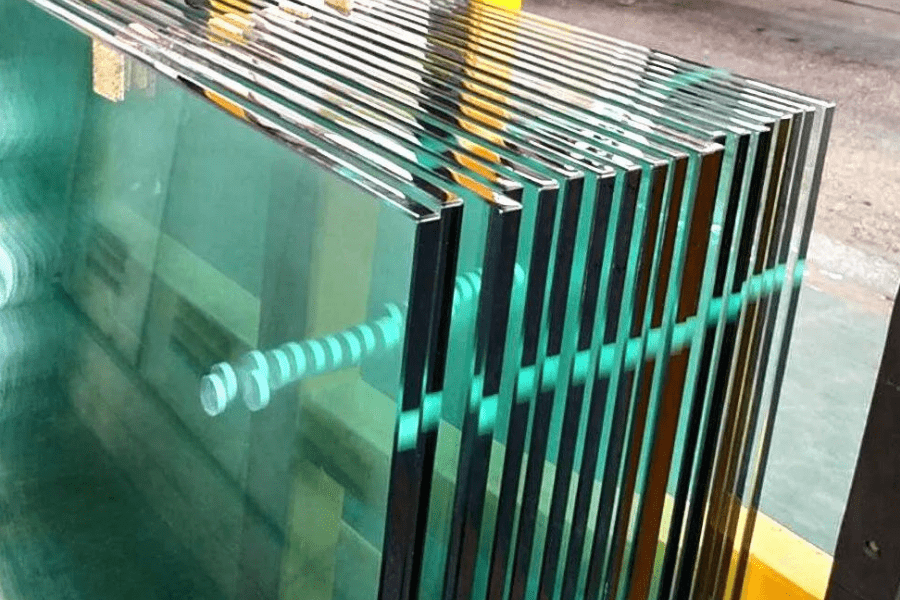
Padel courts feature transparent glass walls at the front and sides. The glass does not affect ball bounce which allows players to play the ball off the wall into their opponents court. The glass used is often toughened or laminated for durability and player safety.
4. Lighting:
Adequate lighting is crucial for playing padel, especially for evening or indoor courts. LED floodlights are commonly used to provide sufficient illumination on the court.
5. Accessories and Amenities:
Other components include line markings, net systems, player benches, access pathways, and seating areas for spectators. These elements contribute to the functionality and aesthetics of the padel court.
It’s worth noting that the selection of specific materials and processes may vary based on regional preferences, local regulations, and individual court builders. Consulting with experienced padel court construction professionals will help you determine the most suitable materials and processes for your project.
What are the maintenance costs of a padel court?
Once your padel court is up and running, it’s crucial to consider the ongoing maintenance costs. Regular maintenance ensures the court remains safe, playable, and retains its quality over time. Here are some factors to consider when estimating the cost of maintaining a padel court.
1. Cleaning and Repairs:
Regular cleaning of the court surface, including removing debris and dirt, is essential. Additionally, occasional repairs may be necessary, such as fixing minor cracks or damages to the fencing.
2. Surface Maintenance:
Padel court surfaces typically require periodic maintenance to retain their optimal playing conditions. This may include tasks such as brushing, leveling, and sand infilling to ensure consistent bounce and grip.
3. Line Markings:
The court lines need to be refreshed periodically to maintain visibility and accuracy. Depending on usage and wear, these markings may require repainting at regular intervals.
4. Net Replacement:
Padel court nets are subject to wear and tear over time. Budgeting for periodic net replacements is necessary to ensure a safe and enjoyable playing experience.
5. Lighting and Electrical:
If your padel court has lighting, energy costs and occasional maintenance of the lighting system should be factored into your maintenance budget.
The exact cost of maintaining a padel court can vary based on factors such as court usage, local labour rates, and specific maintenance requirements. It’s recommended to allocate a maintenance budget and consult with professionals or maintenance service providers to obtain more accurate estimates tailored to your court’s needs.
Building a padel court requires expertise and attention to detail to ensure a safe and enjoyable playing experience. By considering the costs, maintenance requirements, and materials involved, you can make informed decisions when planning and budgeting for your padel court project. Additionally, if you’re curious about the cost differences between padel and tennis court construction, don’t forget to explore our comprehensive guide on tennis court cost.
More resources for sports facility management
Funding
- Funding Options for UK Sport Facilities – Comprehensive Guide
- The Role of Digital in Opening School Facilities Funding
Revenue generation
Costing
Increasing venue utilisation
Security and safeguarding