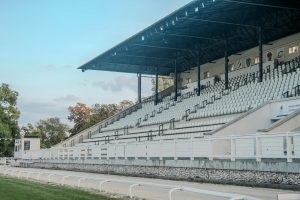
Maintaining a football pitch requires careful planning, the right equipment, and a clear understanding of the costs involved. Whether you’re managing a local club, school, or community centre, knowing the factors that influence mowing expenses helps you budget effectively. In this piece, we’ll explore the typical costs to cut a football pitch and how to optimize your approach, with a focus on the keyword football pitch for hire.
Introduction: Why Cost Matters for a Football Pitch for Hire
If you run or manage a facility that offers a football pitch for hire, the mowing budget is a recurring line item. Regular mowing keeps the surface safe, visually appealing, and playable. The cost to cut a football pitch isn’t just about the price of a mower; it encompasses maintenance, labour, frequency, and the turf type. Understanding these elements helps you price your pitch competitively and maintain high standards for players and teams.
Key Cost Drivers in Cutting a Football Pitch
1) Mowing Frequency and Grass Height
The frequency of mowing depends on the time of year, climate, and turf species. In growing seasons, you might cut more often to maintain a uniform height. Conversely, during dormancy or drought, mowing may be reduced. The height you aim for on a full-size football pitch varies, but many facilities target a uniform cut of around 25-40 mm for amateur play, with adjustments for league rules. Each cut adds to the overall labour cost, fuel consumption, and wear on equipment.
2) Equipment and Maintenance
- Mowers: A football pitch for hire is typically managed with robust machinery such as cylinder mowers for a clean cut, reel mowers for precision, or rotary mowers for speed. The choice affects hourly hire rates or purchase costs.
- Maintenance: Regular blade sharpening, belt checks, and servicing extend the life of mowers and improve cut quality.
- Fuel and electricity: Gasoline or diesel mowers consume fuel; electric mowers may incur charging costs. Consider maintenance downtime when budgeting.
3) Labour and Time
Labour represents a substantial portion of mowing costs. This includes the hours spent by grounds staff or contract workers, plus any seasonal staffing adjustments for tournaments or tournaments. Efficiency improves with experienced operators who can complete a cut in a predictable time frame.
4) Pitch Size and Site Conditions
A standard full-size football pitch is approximately 105 by 68 meters. Larger venues, or pitches with uneven ground, drainage issues, or slopes, require more time and potentially more passes with the mower, increasing costs. Accessibility and line marking requirements can also influence labour and equipment needs.
5) Environmental Considerations and Sustainability
Some facilities invest in mulching blades, grass clippings recycling, or low-emission equipment to meet sustainability goals. While these choices may raise upfront costs, they can reduce waste disposal fees and improve the pitch’s long-term health, potentially lowering maintenance costs over time.
Cost Ranges: What to Expect
Costs can vary widely based on location, contractor rates, and whether you own the equipment. To give a practical sense:
- Independent facilities with in-house grounds teams might see costs framed as hourly rates for mowing, plus stand-by time for weather delays. Typical hourly rates could range from £25 to £60 per hour, depending on equipment quality and staff expertise.
- Contracted services may charge per pitch per visit or per hectare, with full-size football pitches often priced on a per-visit basis. Per-visit costs might range from £120 to £350, again influenced by access, equipment, and required precision.
- For facilities that rent out a football pitch for hire, budgeting on a per-hour basis for mowing can help you quote competitively. If the mowing is part of a larger maintenance package, the proportionate share of costs can be allocated to the pitch hire rate to maintain transparency with customers.
Remember that these figures are indicative and will vary regionally and seasonally. Getting several quotes from reputable grounds maintenance companies can help anchor your budgeting.
Maximising Value for a Football Pitch for Hire
- Schedule smartly: Align mowing with other maintenance tasks such as line marking, fertilisation, and aeration to minimise downtime and optimise labour.
- Invest in quality equipment: A reliable mower reduces downtime and delivers a better finish, which is particularly important if you market the pitch for hire to clubs and schools.
- Consider mowing height strategy: Adjusting heights for different training sessions or match days can maintain pitch integrity without over-working the mower.
- Explore sustainable options: Using electric or hybrid mowers may reduce fuel costs and emissions, appealing to environmentally conscious clients.
Alternatives and Add-Ons that Affect Cost
- Line marking: Fresh line painting is often needed after mowing, especially if you offer a football pitch for hire with marking services included.
- Drainage and field renovation: If the pitch requires drainage improvements or reseeding, those capital costs influence long-term mowing budgets.
- Seasonal adjustments: In winter, you may reduce mowing frequency but still maintain safety and visibility.
Final Thoughts: Balancing Quality and Cost
Understanding the factors that influence the cost to cut a football pitch helps you manage a football pitch for hire more effectively. By optimizing mowing schedules, investing in reliable equipment, and aligning maintenance with hire activities, you can deliver a consistently high-quality surface that attracts players, clubs, and schools. Keep your costs transparent by including mowing as part of an overall maintenance package, and communicate how these services support a safe, playable pitch throughout the season. Ultimately, the right balance of price, quality, and reliability will keep your facility competitive and welcoming to customers.