
School Facility Management - a Checklist for Success
As we embark on a journey to provide the best educational experience for our students, it is crucial not to overlook the fundamental aspect that sets the stage for effective learning: school facility management. Beyond just brick and mortar, the physical infrastructure of a school plays a pivotal role in shaping the overall academic environment. In this blog post, we will delve into the significance of school facility management and how it contributes to a safe, stimulating, and productive learning environment.
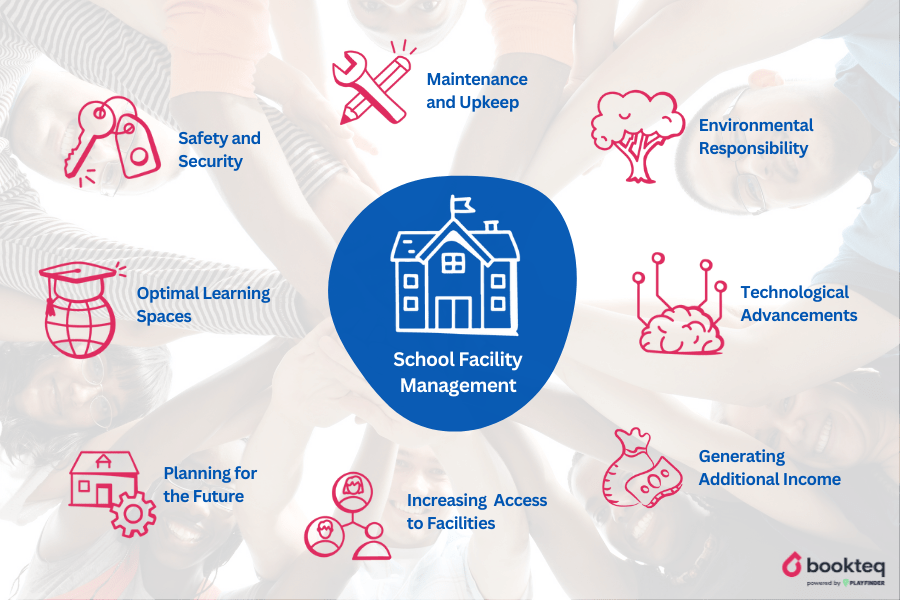
1. Safety and Security
At the heart of school facility management lies the safety and security of students and staff. A well-maintained campus with adequate security measures fosters a sense of trust and tranquility, allowing students to focus on their studies without unnecessary distractions. From regular inspections to emergency preparedness plans, facility management ensures that the school is a haven for learning.
2. Optimal Learning Spaces
Classrooms, laboratories, libraries, and recreational areas all play distinct roles in the educational process. An efficient facility management team optimises space allocation, making sure that each area is designed to facilitate the intended purpose. Properly managed classrooms, for instance, provide an ideal environment for interactive and engaging learning experiences.
3. Sustainability and Environmental Responsibility
As we strive to create a brighter future for the next generation, it is essential to embed environmental consciousness in our educational institutions. School facility management contributes to sustainability efforts through energy-efficient practices, waste reduction initiatives, and the incorporation of green technologies. By being eco-friendly, schools set an example for students and encourage responsible behaviour towards the planet.
4. Technological Advancements
In today’s digital age, technology is an integral part of education. From smart classrooms to robust internet connectivity, schools need to keep pace with technological advancements. Facility management plays a vital role in ensuring that technological infrastructure is up-to-date and functioning optimally, enabling seamless integration of technology into the learning process.

5. Maintenance and Upkeep
Well-maintained facilities enhance the aesthetics of the school while extending the lifespan of physical assets. From repairing broken equipment to regular cleaning and sanitation, facility management ensures that the school’s appearance is not just appealing but also promotes a positive atmosphere for learning and personal development.
6. Planning for the Future
Proactive facility management involves strategic planning for the future. A well-thought-out capital planning process considers factors like anticipated growth, budget constraints, and emerging educational needs. By preparing for future demands, schools can make informed decisions and allocate resources effectively.
7. Increasing Community Access to Facilities
Effective facility management can extend the impact of schools beyond education by increasing community access to facilities. Hosting outreach programs, recreational activities, and workshops fosters community engagement and goodwill. Providing access to sport pitches, gyms, and swimming pools promotes healthier lifestyles for residents. Collaborating with local organisations allows offering adult education courses and vocational training, empowering community members to pursue personal and professional development. By understanding community needs and interests, schools can tailor facility access policies to strengthen their bond with the neighbourhood.
8. Generating Additional Income for Your School
Through efficient facility management, schools can generate additional income. Renting out auditoriums, meeting rooms, and sports pitches for events and conferences creates revenue streams and showcases the school’s facilities. Organising summer camps, workshops, and after-school programs engages the community and brings in supplementary income. During school breaks, facilities can be rented to external organisations for events or retreats to further support your school financially while enhancing the overall experience for students and visitors.
Learn how Bookteq can help you make the most of your school’s facilities out of school hours
More resources for schools sport facility management
Funding
Revenue generation
Costing
- Cost to build an 11-a-side 3G Football Pitch
- Cost to build a field hockey pitch
- Cost to build a padel court
Increasing venue utilisation
Security and safeguarding