Community centres play an important role in bringing people together. From fitness classes and sports sessions to meetings, workshops, parties and community groups, these spaces can support a wide range of activities.
But for many community centres, making the most of the space available can be a challenge.
Rooms can sit empty for hours at a time. Enquiries can be difficult to manage. Bookings may still be handled through emails, phone calls or spreadsheets. And with budgets under pressure, community centres are increasingly looking for ways to generate more income without having to expand their facilities or increase their staffing levels.
The good news is that generating more income does not necessarily mean finding more space.
For many community centres, the opportunity is already there. It is about making better use of the rooms, halls and facilities they already have.
Why generating more income matters for community centres
Community centres often rely on a combination of income sources to keep their facilities running.
Room hire, hall hire, sports bookings, classes, events and regular community groups can all contribute towards operating costs and help fund improvements to the centre.
However, simply having space available does not guarantee that it will be booked.
A community centre could have a large hall that is regularly used in the evenings but remains empty during the day. Another may have meeting rooms that are booked every Tuesday but have little activity for the rest of the week.
These unused periods represent untapped income opportunities.
The challenge is identifying where those opportunities exist and making it easy for people to book.
The biggest lettings challenges facing community centres
Before looking at how to generate more income, it is worth understanding some of the common problems that can prevent community centres from maximising their existing spaces.
1. Empty rooms and unused space
One of the biggest challenges is simply space sitting unused.
A community centre might have:
- Large halls
- Sports halls
- Meeting rooms
- Function rooms
- Classrooms
- Studios
- Outdoor spaces
- Kitchens
- Activity rooms
But demand for these spaces can vary significantly throughout the day and week.
For example, a hall might be fully booked between 6pm and 9pm but completely empty between 9am and 3pm.
If the centre does not have a clear picture of when its facilities are being used, it can be difficult to identify these gaps.
How to improve space utilisation
Start by looking at your existing bookings.
Which rooms are busiest? When are your facilities most commonly booked? Which time slots regularly remain available?
Understanding your space utilisation can help you identify where there is capacity for additional bookings.
Once you know when space is available, you can focus your marketing and outreach on attracting bookings during those quieter periods.
2. Making it difficult for people to book
Another common pain point is the booking process itself.
If someone wants to hire a room, they may need to:
- Find the community centre online
- Find a phone number or email address
- Contact the centre
- Wait for a response
- Ask whether the space is available
- Discuss the price
- Provide their details
- Wait for confirmation
- Arrange payment
Every additional step creates an opportunity for someone to abandon the enquiry.
People increasingly expect to be able to find information and complete bookings online.
For community centres, offering online room booking and facility booking can make the process much easier for both the customer and the staff managing bookings.
Instead of relying entirely on enquiries, potential hirers can see available spaces, choose a suitable time and submit their booking online.
This can make available space much easier to access — and potentially turn more enquiries into confirmed bookings.
3. Too much administration
Managing community centre lettings can involve a surprising amount of administration.
Staff or volunteers may have to keep track of:
- Booking enquiries
- Availability
- Customer information
- Prices
- Invoices
- Payments
- Cancellations
- Recurring bookings
- Room changes
- Access arrangements
- Booking paperwork
When bookings are managed across spreadsheets, emails and calendars, it can become difficult to maintain a clear overview.
It can also take valuable time away from other work.
For community centres with limited staff or volunteers, reducing unnecessary administration can make a significant difference.
Automating community centre bookings
Booking software can bring these processes together in one place.
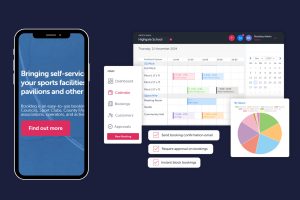
A central booking calendar can provide an overview of upcoming bookings, while online payments, automated confirmations, invoices and customer information can reduce the amount of manual work involved.
The goal isn’t to remove the human side of running a community centre.
It is to reduce the repetitive administration that takes time away from supporting the people who use the facility.
4. Not knowing which spaces are making money
Getting more bookings is useful, but community centres also need to understand which bookings and facilities are actually generating income.
For example, a community centre might have:
- A large hall
- Two meeting rooms
- A studio
- A sports hall
But which one generates the most revenue?
And which has the greatest availability for additional bookings?
Looking at bookings alone does not always provide the full picture.
Community centres need visibility over revenue, bookings and utilisation so they can make informed decisions about how their facilities are being used.
This could help answer questions such as:
Which rooms generate the most income?
Which days have the most availability?
Are certain spaces underused?
Which types of customers book most frequently?
Where could prices or availability be reviewed?
Having this information makes it easier to identify opportunities rather than relying on guesswork.
5. Relying on repeat customers alone
Regular customers are extremely valuable to community centres.
A weekly fitness class, local sports club or community group can provide reliable income and help create a strong sense of community.
But relying entirely on existing customers can limit growth.
There may be other people and organisations nearby looking for somewhere to hire.
Potential customers could include:
- Local sports clubs
- Fitness instructors
- Dance schools
- Tutors
- Businesses
- Charities
- Community groups
- Event organisers
- Children’s activity providers
- Personal trainers
- Local organisations
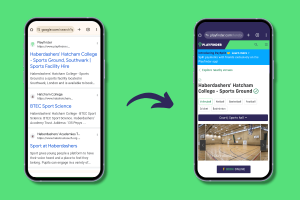
Making your available spaces easy to discover online can help put them in front of people who are actively looking for somewhere to hire.
6. Managing recurring bookings manually
Community centres often have regular hirers who need the same space every week.
A dance class might need a studio every Monday evening. A community group may require a meeting room every Wednesday. A sports club could need a hall throughout the season.
These recurring bookings can provide valuable predictable income.
However, setting them up and managing them manually can create additional administration.
A booking system that supports repeat and block bookings can make it easier to manage regular customers without having to create every booking individually.
This can also make it easier to see how much space has already been committed and where availability remains.
How can community centres generate more income from existing spaces?
The key is not necessarily to find more customers or build more facilities.
It is to make the most of the capacity that already exists.
Here are several practical ways community centres can approach this.
1. Identify your quietest periods
Look at your booking data and identify when your facilities are least used.
This could be:
- Weekday mornings
- Weekday afternoons
- Certain evenings
- Weekends
- School holidays
- Seasonal periods
Once you know where your gaps are, you can actively promote those time slots.
For example, if a meeting room is rarely booked on weekday afternoons, consider targeting local businesses, tutors or community organisations that may need daytime space.
2. Make your spaces easy to find
If people don’t know that your facilities are available to hire, they cannot book them.
Your website should clearly explain:
- What spaces are available
- What each space can be used for
- How many people it can accommodate
- When it is available
- How much it costs
- How to book
Clear information can reduce unnecessary enquiries while making it easier for potential customers to decide whether a space is right for them.
3. Make online booking part of your strategy
Online booking can remove friction from the customer journey.
Rather than asking someone to email or call just to find out whether a room is available, an online booking system can give them a much clearer route to making a booking.
Depending on the system, customers may be able to:
- View availability
- Select a date and time
- Choose a facility
- Enter their details
- Make a payment
- Receive confirmation
This can help community centres capture bookings outside normal office hours too.
Someone searching for a room at 9pm should not necessarily have to wait until the next morning to make an enquiry.
4. Introduce different pricing for different customers
Not every customer has the same requirements.
A local community group, commercial organisation and regular sports club may have different budgets and booking patterns.
Community centres could consider using different pricing structures for different customer types, where appropriate.
For example:
- Regular hirers
- Community groups
- Local charities
- Sports clubs
- Commercial organisations
- Peak-time bookings
- Off-peak bookings
This can help community centres balance their community objectives with the need to generate sustainable income.
The important thing is to keep pricing clear and easy for customers to understand.
5. Promote underused facilities
Your most popular room is not necessarily the room with the greatest opportunity.
If one facility is already close to capacity, marketing it more heavily may not generate many additional bookings.
Instead, look at the spaces that have availability.
Could an underused meeting room be promoted for workshops?
Could a studio be marketed to fitness instructors?
Could a hall be promoted for children’s activities or weekend events?
Think about what the space could be used for, not just what it has traditionally been used for.
6. Use your booking data to make better decisions
Your booking data can tell you much more than how busy you are.
It can help you understand patterns in:
- Demand
- Revenue
- Customer types
- Booking times
- Facility usage
- Repeat bookings
- Cancellations
- Peak and off-peak periods
This information can help community centres make decisions about pricing, marketing and how they allocate their available space.
For example, if your data shows that a particular room is consistently available on weekday afternoons, you have a clear opportunity to target customers who are likely to need it at those times.
How community centre booking software can help
Managing more bookings does not have to mean creating more administration.
Community centre booking software can bring your availability, bookings, customers and payments together in one system.
A platform such as Bookteq allows community centres to manage their spaces through an online booking system, giving customers a way to view and book available facilities while providing staff with a central view of their bookings.
Features such as online payments, repeat bookings, customer information, invoices and reporting can help reduce manual administration while giving community centres greater visibility over how their facilities are being used.
Explore Bookteq’s community centre booking system
Turning unused space into additional income
Community centres do not always need more space to generate more revenue.
In many cases, the opportunity is already sitting within the facilities they have.
The bigger challenge is understanding where capacity exists, making those spaces easy to discover and creating a booking process that makes it simple for customers to hire them.
By improving space utilisation, online bookings, pricing, customer reach and booking administration, community centres can create more opportunities to generate income from their existing facilities.
And that additional income can ultimately help community centres continue providing valuable spaces and activities for the people who rely on them.
Key takeaways for community centres
If your community centre is looking to generate more income from its existing spaces, start with these five areas:
1. Understand your utilisation
Identify which rooms and time slots are regularly underused.
2. Make availability visible
Give potential customers clear information about your facilities, prices and availability.
3. Make booking easy
Consider online booking so customers can enquire or book without relying entirely on phone calls and emails.
4. Look beyond your existing customers
Promote available spaces to local businesses, clubs, instructors, charities and community groups.
5. Use data to find opportunities
Track bookings, revenue and facility usage so you can make decisions based on what is actually happening.
The aim isn’t simply to fill every available hour.
It is to make sure your community centre’s existing spaces are being used effectively, generating sustainable income and continuing to deliver value to the local community.